Catheter surface modification prepares medical devices for safe insertion and reliable performance. Surface treatment improves lubricity, prevents infection, and ensures coating adhesion. Without proper surface preparation, catheters fail to perform as designed.
Why Is Surface Preparation Critical For Catheters?
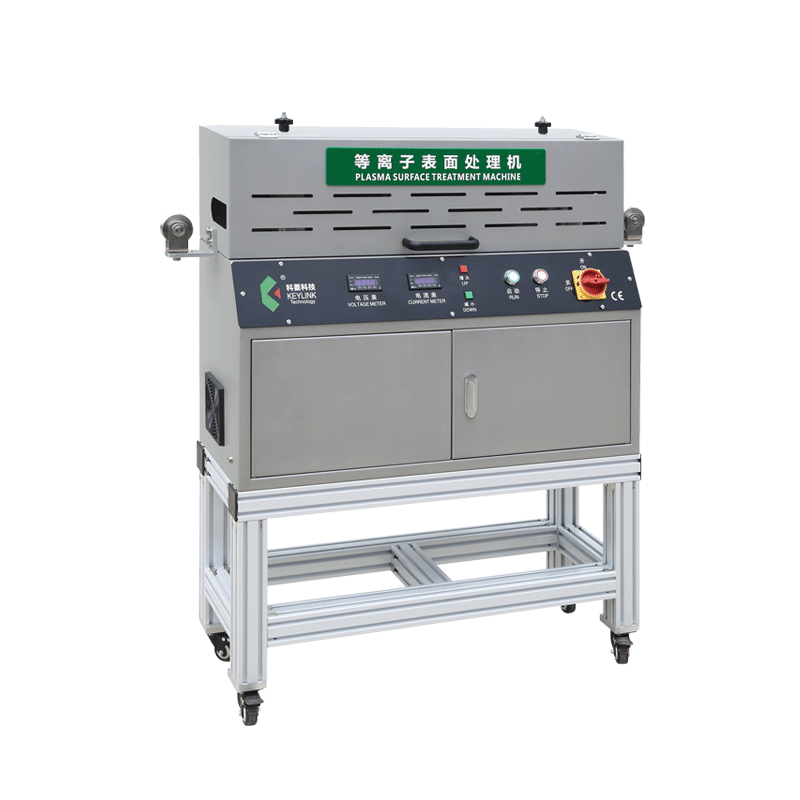
Catheters face real challenges from the moment they’re manufactured. The materials used include polyurethane, silicone, and similar polymers that have naturally low surface energy. This creates problems.
Low surface energy means coatings don’t adhere properly. Lubricant layers peel off. Markings fade or bleed. Bacteria stick to untreated surfaces, causing infections. If you’re manufacturing catheters, surface preparation determines whether your device works safely or creates problems for patients.
Medical regulatory bodies require proof that your catheter surface meets specific standards. Patient safety depends on reliable performance. Surface preparation is how you meet both requirements.
What Are The Current Surface Treatment Challenges?
Traditional surface treatment methods have significant limitations. Chemical cleaning requires hazardous solvents and leaves residues. Mechanical abrasion damages delicate polymer surfaces. Neither approach reliably improves hydrophilicity or reduces friction.
Untreated PP, PE, and PVC materials have low surface energy. When you try to apply coatings or print markings, adhesion fails. Lubricant coatings don’t stay in place. The result is poor quality products that don’t meet specifications.
If you’re relying on older methods, you’re dealing with inconsistent results, high rejection rates, and expensive rework. There’s a better approach.
How Does Plasma Treatment Solve Surface Preparation?
Plasma surface treatment works through ionized gas that creates reactive species. These particles strike material surfaces, remove contaminants, and change the surface chemistry. The process introduces polar functional groups onto the polymer through surface activation and surface modification of catheters.
This transformation enables better performance across the board. Your untreated catheter surface that repelled water becomes hydrophilic and attracts coatings. Surface energy increases enough that adhesion improves and friction decreases. The hydrophilic surface is now ready for lubricants, markings, and protective coatings
In a nutshell, plasma treatment delivers these improvements:
- Surface energy increases significantly
- Hydrophilic properties improve for reduced friction
- Coatings and lubricants stick reliably
- Bacterial adhesion decreases with proper coating
- Marking and labeling stick better
- Medical catheter hydrophilization happens in one step
For applications that need to reduce surface friction catheter insertion, plasma creates the hydrophilic coating layer that makes the process smooth and comfortable.
Real Example: PP-R Pipe Inkjet Printing Success
A manufacturer was struggling with inkjet printing on PP-R pipes. The ink wasn’t adhering to the surface, and the prints were blurry and faded quickly.
The problem was surface energy. Before plasma treatment, the dyne value was under 38 mN/m. After plasma activation, it reached 52 mN/m, which transformed the result.
The plasma-treated surface accepted ink uniformly. Prints stayed sharp and clear. Ink bleed, which is the fuzzy spreading of marks, disappeared. Even after thermal cycling tests, the pipes maintained high wettability, proving the treatment was stable and reliable.
This same principle applies to catheter surface modification. When you treat the catheter surface before applying lubricant coatings or hydrophilic layers, adhesion improves greatly.
KeyLink Equipment: PL-B4060 Cable And Catheter System
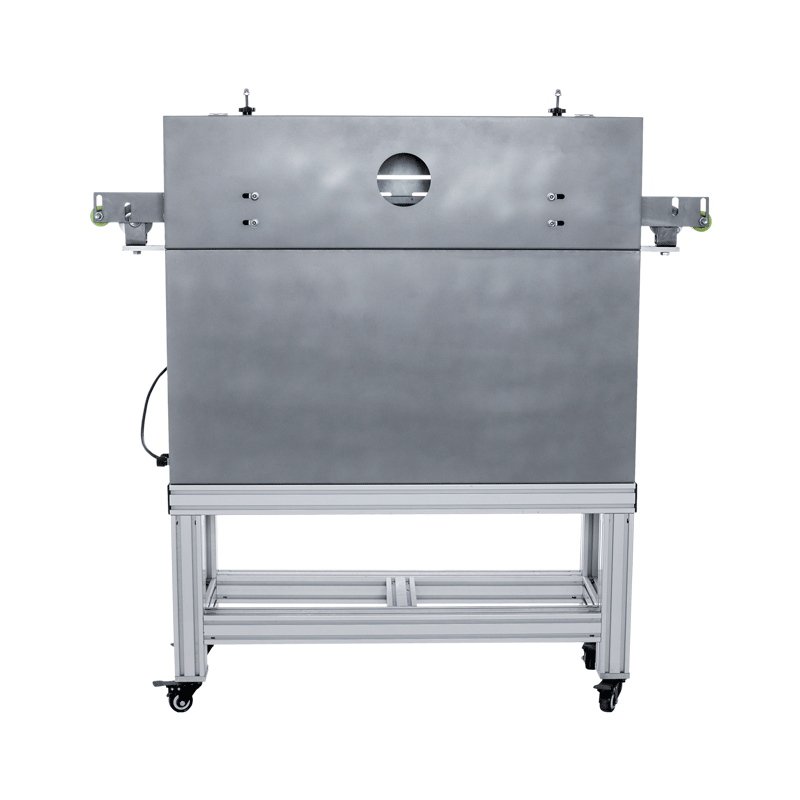
KeyLink designed the PL-B4060 specifically for treating catheters and similar tubular products. The system handles products up to 100mm in diameter at line speeds from 0 to 100 m/min. This surface treatment line integrates directly into your existing production workflow.
Here’s what you get with the PL-B4060:
- Dual-electrode plasma head treats 360° of the surface uniformly
- PLC control with touchscreen interface for easy operation
- Inline integration capability with existing production lines
- Encoder synchronization for precise treatment timing
- Adjustable air pressure and plasma power for different materials
If your catheter production line uses extrusion, printing, or coating equipment, the PL-B4060 integrates directly. The system cleans and activates the surface before your downstream process. No separate facility or production interruption needed.
Customization And Automation Flexibility
One system doesn’t fit every manufacturer. That’s why KeyLink offers customized solutions.
If you need to treat longer catheters or more complex geometries, KeyLink’s robotic plasma systems adapt to your specific needs. The PL-A6150 uses 3-axis motion for handling irregular shapes and long parts. The Smart Plasma Processing System integrates with conveyor lines for continuous production.
These automation platforms can be integrated into your existing line. If you run coating, printing, or extrusion equipment, plasma treatment fits seamlessly before your current process.
KeyLink’s systems store recipes and adjust parameters automatically. If you produce multiple catheter types, the system switches between treatments without manual adjustment. That means consistent quality across all products.
Conclusion
Catheter surface modification determines how your products perform. Surface preparation affects safety, quality, and regulatory compliance. It’s not something you can skip.
Plasma treatment increases surface energy, improves hydrophilicity, and enables reliable coating and lubricant adhesion. It reduces surface friction catheter applications need for patient comfort. It prevents bacterial adhesion through proper surface chemistry.
KeyLink’s PL-B4060 system and customized automation platforms deliver these results without disrupting your production. Contact us to learn how advanced surface treatment expertise can improve your manufacturing process.