Cold plasma treatment is helping food packaging manufacturers address two significant issues: weak ink adhesion and poor heat seals. By treating plastic films, such as BOPP and PET, with cold plasma (a low-temperature ionized gas), lines achieve clearer prints, stronger seals, and improved compliance. It enhances performance without changing materials or slowing production.
In this guide, we’ll explore how cold plasma technology enhances both print quality and seal integrity, and how KeyLink Technology offers a reliable, one-stop solution tailored for modern packaging plants.
Improving Ink Adhesion on Flexible Films (BOPP, PET)

How Plasma Treatment Ensures Crisp, Durable Date Codes and Graphics
In food packaging, poor ink adhesion isn’t just a cosmetic issue—it leads to unreadable batch codes, lost traceability, and costly recalls. Cold plasma treatment of plastics solves this by cleaning and activating the surface. When BOPP, PET, or similar films are treated with plasma, the surface energy increases, making it easier for inks and coatings to bond.
Here’s how it works:
- Plasma removes microscopic contaminants that block ink adhesion.
- The process adds polar groups to the film’s surface, improving wettability and ink anchorage.
- As a result, date codes, branding, and product labels become sharper, longer-lasting, and smudge-resistant—even in cold-chain or high-moisture environments.
Food brands also benefit from improved shelf appeal. Clear, vivid graphics help products stand out—especially in competitive categories like snacks, frozen meals, and ready-to-eat foods.

PL-5010P Plasma Surface Treatment System
More DetailsEnhancing Seal Strength and Integrity
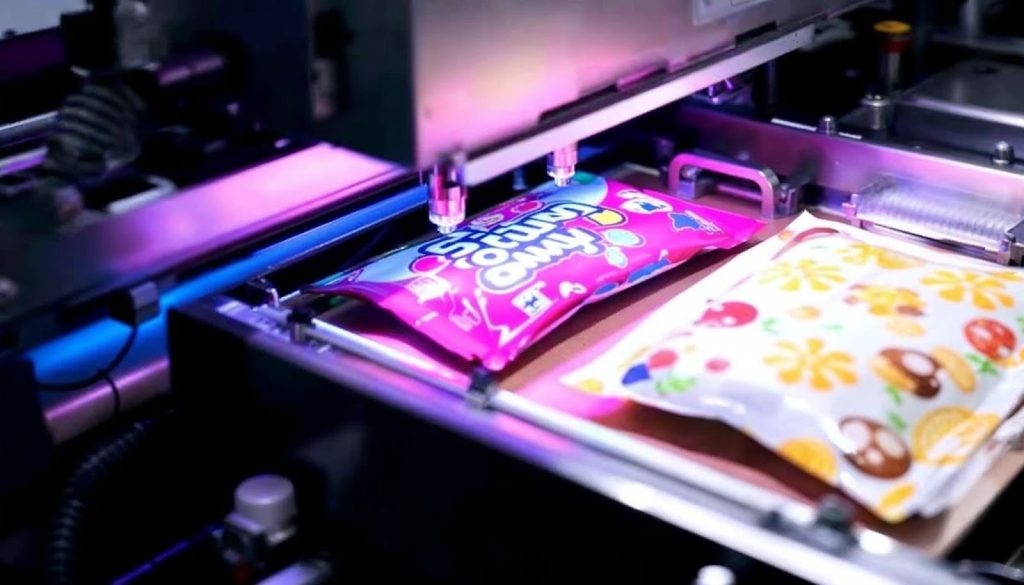
Using Plasma to Prepare Surfaces for Sealing Layers
If your seals are failing under pressure or during transport, surface preparation might be the problem. Plasma treatment for bonding in food packaging strengthens adhesion between film layers without changing the packaging structure. It helps sealing layers adhere more consistently, which is vital for trays, pouches, and lidding films.
- Cold plasma etches the sealing surface, increasing the contact area at the molecular level.
- It enables better thermal bonding by enhancing energy absorption where it matters.
- This results in tighter, more uniform seals that prevent leaks and meet hygiene standards.
In applications like MAP (Modified Atmosphere Packaging) or vacuum-sealed meals, seal integrity isn’t optional—it’s the difference between shelf-stable safety and spoilage.
A Clean and Safe Technology for the Food Industry

Cold plasma treatment food technology is not only effective—it’s clean, safe, and regulatory-friendly. Since it operates at room temperature, it doesn’t warp or degrade heat-sensitive films. More importantly, it’s a dry, chemical-free process, ideal for environments where exposure to residue or solvent must be avoided.
Here’s why plasma treatment of plastics aligns with food safety goals:
- It reduces the need for primers or adhesives that may contain VOCs or allergens.
- It supports compliance with global standards like FDA, EU Regulation 1935/2004, and ISO certifications.
- No cross-contamination risk—cold plasma leaves no byproducts or residues behind.
For food packaging plants focused on GMP (Good Manufacturing Practices), plasma treatment simplifies your audit trail while boosting performance.
Cold Plasma’s Role in Surface Sterilization

Food-Safe, Non-Thermal Disinfection Without Chemicals
Although not a replacement for full sterilization, cold plasma water treatment and surface activation can reduce microbial load on packaging surfaces. This offers an added layer of hygiene when combined with other safety protocols.
- Reactive species in plasma (like oxygen and nitrogen ions) disrupt bacterial cell walls.
- Cold plasma can deactivate mold spores, yeasts, and biofilm-forming bacteria.
- It’s especially useful for packaging areas that handle raw or high-risk foods.
When integrated into a food packaging plant, plasma systems can contribute to a cleaner production environment while supporting goals related to extended shelf life and clean-label manufacturing.
Built for Food Packaging Plants: Why KEYLINK Stands Out
KeyLink Technology offers atmospheric plasma equipment that directly addresses the two core issues in lunch box and flexible packaging production: poor print adhesion and weak seals. Our advanced systems—like the PL-5050 and PL-6050P-S—offer:
- Precise plasma activation for BOPP, PET, and multilayer films
- Inline integration for seamless fit into existing high-speed packaging lines
- Stable treatment results for consistently clear prints and reliable seals
- Smart control interfaces for easy operation and real-time diagnostics
With more than 5,000 application cases and global certifications (ISO 9001:2015, CE, ETL), KeyLink’s plasma treatment solutions are trusted by brands that require high production throughput, low scrap rates, and total food safety compliance.
FAQs
What is cold plasma treatment for food packaging?
Cold plasma is a low-temperature, ionized gas used to enhance surface adhesion and improve hygiene in packaging films. It enhances print clarity and seal strength without the use of chemicals or heat.
How does plasma treatment of plastics improve adhesion?
It cleans and activates the surface, increasing surface energy and creating more bonding points for inks, coatings, and sealants.
Is plasma treatment suitable for bonding food contact materials?
Yes. Cold plasma is residue-free and supports food safety regulations, making it safe for use on both direct and indirect contact surfaces.
Conclusion
From sharper prints to stronger seals, cold plasma treatment food packaging technology delivers on performance, compliance, and production efficiency. For food packaging plants that demand clarity, consistency, and cleanliness, it’s a future-proof investment.KeyLink Technology’s atmospheric plasma systems solve two key issues: weak ink adhesion and poor seals. Easy to install and use, our solutions help you meet food safety standards and give your packaging a clean, professional finish. Ready to enhance your packaging with a smarter, safer treatment process? Contact KeyLink Technology for tailored plasma solutions that meet industry demands.