Gas plasma sterilization is a highly effective, low-temperature sterilization process that uses a plasma state of matter to quickly and safely kill microorganisms on delicate medical devices.
This modern technique has become indispensable for healthcare and manufacturing because it offers unmatched safety, high efficiency, and gentle handling for materials that simply cannot tolerate the high heat or moisture of steam or the toxic residues of chemical methods.
Understanding what gas plasma sterilization reveals why it’s the future for processing heat-sensitive instruments.
The Science and The Safety: Why Low-Temp Plasma is Essential
The core appeal of plasma sterilization centers on its ability to achieve sterility without damaging sensitive components.
The process uses a low-temperature plasma sterilizer, operating generally between 45 and 60 degrees Celsius.
This temperature range is mild enough for instruments containing fiber optics, adhesives, electronics, and polymers.
The Plasma Sterilizer Working Principle
The plasma sterilizer’s working principle begins with the introduction of a sterilant, typically hydrogen peroxide vapor, into a vacuum chamber.
After the vapor penetrates the instruments and packaging, an electromagnetic field is applied, transforming the vapor into plasma.
This plasma is an ionized gas containing highly reactive species, such as free radicals and UV photons.
These species actively attack and destroy the cellular structure and reproductive capability of all microorganisms, including bacteria, viruses, and spores.
Importantly, the process ends with the reactive species converting back into harmless byproducts like water vapor and oxygen.
This eliminates the lengthy aeration time required by traditional methods like ethylene oxide, dramatically increasing the operational efficiency of the plasma sterilization machine.
Non-Toxic and Highly Efficient
A significant advantage of gas plasma sterilization is its superior safety profile.
Unlike legacy chemical sterilization methods that can leave behind toxic residues harmful to both patients and staff, the plasma method is remarkably clean.
The cycle is often fast, typically running under an hour, meaning instruments are turned around quickly, which is critical in high-demand surgical settings.
This high efficiency, coupled with the absence of toxic waste, positions plasma sterilization as the most responsible choice for modern medical device processing.
Versatility and Performance: Plasma Sterilization Uses in Manufacturing
The versatility of plasma sterilization uses spans the entire lifecycle of medical products, from initial device manufacturing to routine hospital reprocessing.
For medical device plasma sterilizer manufacturers and plasma sterilization manufacturers, this technology is essential because it allows for greater freedom in device design, enabling complex geometries and the use of sophisticated, lightweight materials.

Handling Complex Devices
The ability of gas plasma sterilization to gently process delicate items is critical.
Consider a multi-lumen flexible endoscope or a powered surgical handpiece with integrated electronic circuits.
Submitting these to high-pressure steam would cause immediate damage.
The low-temperature plasma sterilizer ensures that the functionality and structural integrity of these expensive, complex devices are fully preserved.
This is a massive benefit for plasma sterilizer suppliers serving specialty surgical centers.
Beyond the Operating Room: Packaging and Pre-Treatment
The benefits extend beyond just the instrument itself.
Plasma sterilization is increasingly used in the packaging industry for materials that house sterile devices.
Furthermore, some specialized vacuum plasma systems, like those from KeyLink, are utilized not just for terminal sterilization, but also for surface cleaning and activation, a pre-treatment step that ensures superior adhesion of coatings or films onto medical components.
This dual capability highlights the advanced performance expected from reliable plasma sterilization manufacturers.
KeyLink systems, for example, demonstrate stable performance and often possess the necessary industry certifications, assuring users of consistent and traceable results.
Choosing the Right Partner: Plasma Sterilizer Manufacturers and Suppliers

VL-10-A Compact Vacuum System
Designed for R&D and small-batch manufacturing. Perfectly handles complex medical device geometries and heat-sensitive materials with precision.
View Compact Unit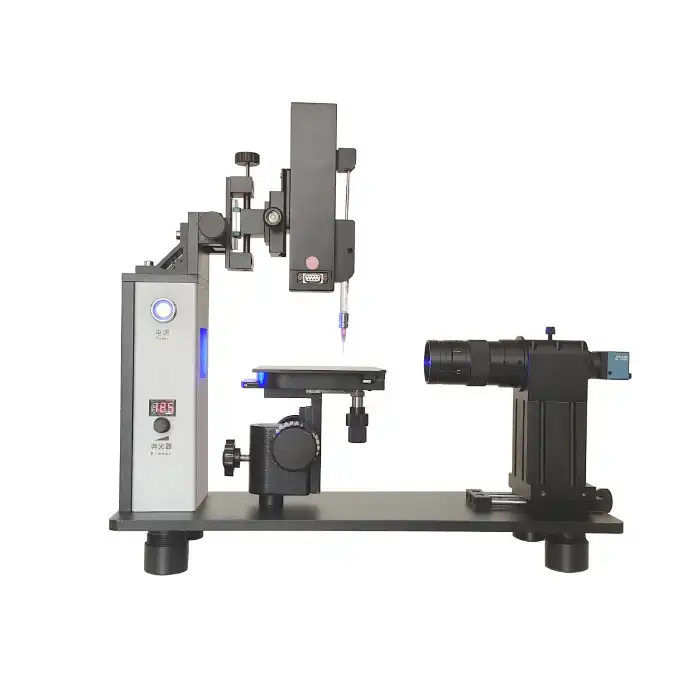
CA02 Automatic Verification System
Ensure regulatory compliance with fully automated surface energy testing. Provides traceable validation results essential for medical device quality control.
Explore Validation ToolSelecting the appropriate plasma sterilizer equipment is a pivotal business decision that impacts regulatory compliance, throughput, and product safety.
Companies seeking to implement this technology must thoroughly vet plasma sterilizer manufacturers and plasma sterilizer suppliers.
Key Factors for Equipment Selection
When evaluating plasma sterilization machine options, performance stability and regulatory certifications are non-negotiable.
The reliability of the unit during long production cycles, the precision in controlling the plasma parameters (power, pressure, and gas flow), and the ease of validation are all factors that separate top-tier plasma sterilizer manufacturers from the rest.
Look for providers that specialize in vacuum plasma systems, ensuring the technology is robust enough to handle demanding loads with consistent efficacy.
The Importance of Consulting
Given the complexity and customization often required for specific medical devices, particularly those with long, narrow lumens or unique material compositions, a one-size-fits-all approach to plasma sterilization is inadequate.
Therefore, seeking expert guidance is essential.
Companies should prioritize consulting with plasma sterilizer suppliers who can provide tailored solutions rather than just selling standard equipment.
This partnership ensures that the chosen system aligns perfectly with the facility’s specific plasma sterilization uses and regulatory requirements, optimizing both safety and operational flow.
Investing in the right gas plasma sterilization solution is an investment in product integrity and market compliance.
Gas plasma sterilization is a fast, safe, low-temperature method for sterilizing heat-sensitive medical devices and materials.