Plasma spray and flame spray are two thermal spray coating methods, with the key difference being the heat source and coating quality.
Plasma spray uses a high-temperature plasma arc to melt and propel coating material, creating dense and durable coatings, while flame spray relies on a combustible gas flame, making it more cost-effective but generally producing lower-quality coatings.
To learn more about what distinguishes plasma from flame spray, continue reading the article below.

How Plasma Spray Works
Plasma spray coating is a high-energy thermal spray process that generates temperatures exceeding 15,000°C using an ionized gas known as plasma.
A plasma torch creates an electric arc that ionizes gases such as argon, nitrogen, or hydrogen, producing a high-velocity plasma flame.
This intense heat melts powdered coating material, which is then accelerated onto a surface to form a strong, dense coating.
The rapid cooling of the material upon impact allows for the formation of coatings with superior hardness, adhesion, and wear resistance.
Plasma spray is widely used in industries requiring coatings that can withstand extreme temperatures, abrasion, and corrosion.
How Flame Spray Works
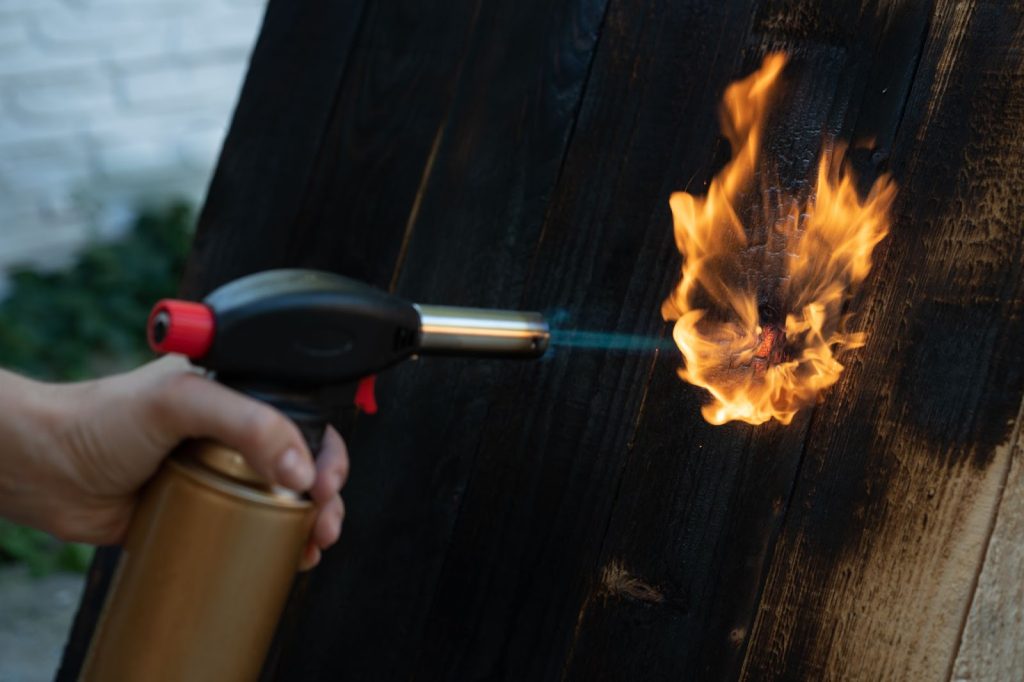
Flame spray coating, in contrast, uses a gas-fueled flame as its heat source.
A mixture of oxygen and fuel gases, such as propane or acetylene, generates the flame, which melts the coating material—either in powder or wire form.
The molten material is then propelled onto the surface using compressed air.
Flame spray equipment is generally more affordable and easier to operate compared to plasma spray machines.
This process is widely used for corrosion-resistant coatings, particularly in applications where cost and ease of application are primary concerns.
While effective, flame spray coatings are usually more porous and less durable than plasma spray coatings.
Key Differences Between Plasma Spray and Flame Spray
#1. Heat Source and Temperature
Plasma spray relies on a plasma arc that reaches extremely high temperatures, while flame spray operates at lower temperatures using a gas flame.
This difference affects the coating’s bonding strength, density, and overall performance.
#2. Coating Quality and Performance
Plasma spray coatings are denser, more uniform, and have superior adhesion compared to flame spray coatings, making them suitable for demanding applications like turbine blades, biomedical implants, and engine components.
Flame spray coatings, while effective, tend to have higher porosity and lower adhesion strength, making them better suited for less critical applications.
#3. Material Versatility
Plasma spray can process a wider range of materials, including ceramics, which require high temperatures to melt properly.
The flame spray is mainly used for metal and some polymer coatings, as its lower temperature limits the range of usable materials.
#4. Equipment and Cost
Plasma spray machines are more complex and expensive due to their advanced technology and high-energy requirements.
Flame spray equipment is more cost-effective and simpler to use, making it an accessible choice for applications where ultra-dense coatings are not necessary.
#5. Durability and Lifespan of Coatings
Plasma spray coatings tend to last longer due to their high density and superior bond strength.
They resist extreme temperatures, and corrosion, and wear better than flame spray coatings.
Flame spray coatings, though effective in many cases, may degrade faster under harsh environmental conditions.
#6. Ease of Application and Surface Preparation
Flame spray is easier to apply and requires less surface preparation compared to plasma spray.
The simplicity of flame spray makes it ideal for on-site repairs and large surface areas, whereas plasma spray often requires a more controlled environment and precise preparation to achieve optimal results.
Advantages and Disadvantages of Plasma Spray and Flame Spray
| Plasma Spray | Advantages | Disadvantages |
| Coating Quality | Produces high-density coatings with excellent adhesion | Requires expensive and complex equipment |
| Material Compatibility | Can coat a wide variety of materials, including ceramics and metals | Needs precise surface preparation and controlled application conditions |
| Durability | Resistant to extreme temperatures, wear, and corrosion | Higher operational costs compared to flame spray |
| Application Suitability | Ideal for high-performance industrial and aerospace applications |
| Flame Spray | Advantages | Disadvantages |
| Cost and Accessibility | More cost-effective and easier to use | Produces more porous coatings with lower adhesion strength |
| Application Flexibility | Suitable for large surface areas and field applications | Limited material options, as it cannot handle high-melting-point materials |
| Corrosion Resistance | Provides adequate corrosion resistance for many industries | Coatings may degrade faster in high-stress environments |
| Equipment Requirements | Does not require an advanced power supply or complex machinery |
Applications of Plasma Spray and Flame Spray
| Plasma Spray Applications | Flame Spray Applications |
| Aerospace: Thermal barrier coatings for jet engines and turbine components | Structural Steel: Corrosion-resistant coatings for bridges and buildings |
| Medical: Biocompatible coatings for orthopedic implants | Automotive: Anti-wear coatings for suspension components |
| Industrial: Protective coatings for pumps, turbines, and high-wear components | Oil and Gas: Protective coatings for pipes, tanks, and machinery |
| Automotive: Engine component coatings for heat resistance and durability | Marine: Coatings to protect ship hulls from corrosion |
What is the Difference Between Flame Spray and Arc Spray?
Flame spray and arc spray are similar but differ in their heat source and application methods.
While flame spray relies on a gas flame, arc spray uses an electric arc to melt wire-based coating materials.
Arc spray typically produces denser coatings with better adhesion than flame spray but still falls short of the performance offered by plasma spray.
Arc spray is commonly used for anti-corrosion coatings in shipbuilding, infrastructure, and automotive manufacturing.
How to Choose Between Plasma Spray and Flame Spray
Choosing between plasma spray and flame spray depends on the specific needs of the application.
If durability, high-performance coatings, and extreme temperature resistance are critical, plasma spray is the best choice.
However, if cost-effectiveness, ease of application, and moderate protection are more important, flame spray may be the better option.
Considerations when choosing a thermal spray method:

Performance Requirements
High-performance coatings require plasma spray, while basic corrosion protection can be achieved with flame spray.
Budget
Plasma spray is more expensive due to equipment and operational costs. Flame spray is more budget-friendly.
Material Type
Plasma spray can coat ceramics and metals with high melting points, whereas flame spray is limited to lower-temperature materials.
Application Environment
Plasma spray is better for industrial and high-precision coatings, while flame spray is more practical for field applications.
Conclusion: Plasma Spray vs Flame Spray
Plasma spray and flame spray serve distinct purposes based on performance requirements and budget considerations.
Plasma spray is the preferred choice for high-performance applications due to its ability to create strong, dense coatings.
Flame spray, on the other hand, remains a practical option for cost-effective corrosion protection.
While both methods have their advantages, selecting the right one depends on factors such as durability, application complexity, and cost.