Plasma cleaning is one of the most effective methods for removing metal oxide layers, providing a precise, chemical-free solution for
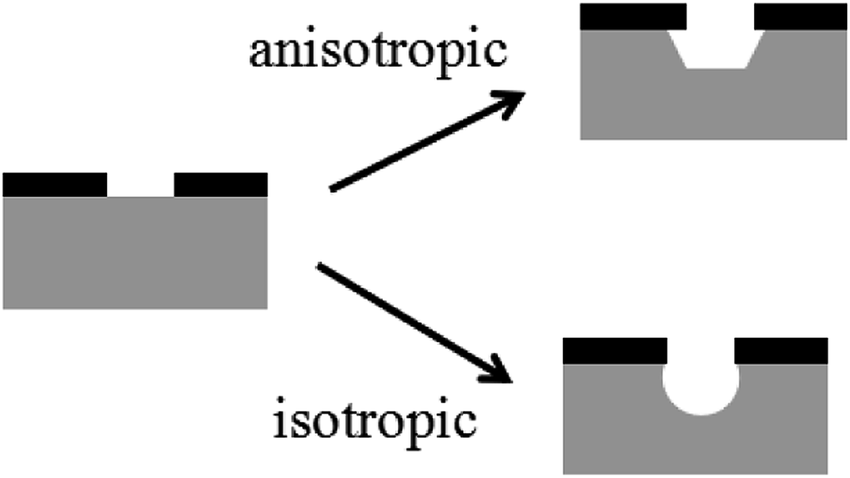
The difference between isotropic and anisotropic etching lies in how material is removed—isotropic etching removes material uniformly in all directions,

Plasma etching is a critical process in nanotechnology, enabling precise material removal at the microscopic level to fabricate nanoscale structures.
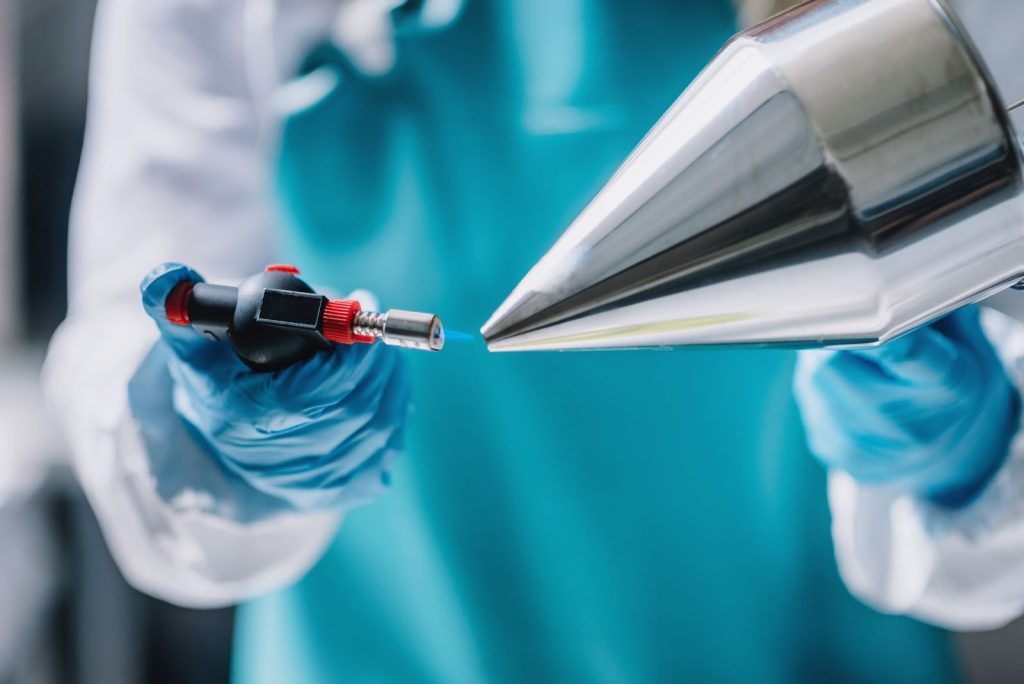
HVOF and plasma spray are two of the most widely used thermal spray solutions, each excelling in different applications. HVOF

Plasma spray and flame spray are two thermal spray coating methods, with the key difference being the heat source and

Reactive Ion Etching (RIE) is a plasma-based process used to precisely etch materials in microfabrication, utilizing chemically reactive ions to

Plasma bonding is an advanced technique that enhances adhesion between materials by using ionized gas to modify surfaces at a

Plasma bonding is the most effective method for PDMS bonding because it enhances adhesion by modifying the material’s surface at

Plasma surface modification and plasma polymerization are advanced technologies that enhance material surfaces at the molecular level, improving adhesion, durability,

The Leidenfrost effect in plasma coatings occurs when a thin layer of vapor forms between a high-temperature surface and a
WhatsApp us
Send us a message!
Our system experts are happy to assist you.